E-E-A-T Guidelines for Ethical SEO

What does it take to build a website that not only ranks well but also earns the trust of its visitors? The answer lies in mastering the principles of E-E-A-T—Experience, Expertise, Authoritativeness, and Trustworthiness. In this guide, you’ll discover how these elements can transform your content strategy and elevate your SEO game.
What You Will Learn
- E-E-A-T stands for Experience, Expertise, Authoritativeness, and Trustworthiness, critical factors in SEO today.
- Experience enhances content by showcasing real-life insights, making it relatable and credible.
- Expertise is essential for assuring readers that the information provided is reliable and accurate.
- Authoritativeness positions your website as a trusted source within your niche, driving user engagement.
- Trustworthiness involves transparent practices and reliable content, fostering long-term relationships with your audience.
- Implementing E-E-A-T can significantly influence your website’s ranking potential and overall reputation.
The E-E-A-T Framework in SEO: Core Components and Strategic Implementation
This visual outlines the four key components of the E-E-A-T framework—Experience, Expertise, Authoritativeness, and Trustworthiness—and how each contributes to an effective SEO strategy according to Google's guidelines.
Experience: Firsthand Knowledge
Showcasing real-life examples and personal insights that illustrate deep understanding.
- ✓ Author credentials
- ✓ User testimonials
Expertise: Level of Knowledge
Highlighting credentials, certifications, and relevant qualifications to assure readers.
- ✓ Well-informed content
- ✓ Reliable insights
Authoritativeness: Recognition & Credibility
Establishing the website as a go-to source for information within its niche.
- ✓ Reputable links
- ✓ Relevant citations
Trustworthiness: Reliability & Safety
Ensuring users feel safe consuming content through transparency and accuracy.
- ✓ Content accuracy
- ✓ Data handling
Understanding the Core of E-E-A-T: What It Means for SEO
When we talk about E-E-A-T in SEO, we're diving into a framework that stands for Experience, Expertise, Authoritativeness, and Trustworthiness. This concept is crucial for elevating your site's visibility and credibility in search engine results. As someone who has spent years navigating the complexities of SEO, I can assure you that understanding E-E-A-T is essential for anyone looking to optimize their website effectively.
Each component of E-E-A-T plays a vital role in how search engines assess content quality. It’s not just about having the right keywords; it’s about showcasing the depth of knowledge and integrity behind your content. At Add Link Here, we emphasize these principles in our approach to link building and SEO strategies.
Defining E-E-A-T: Experience, Expertise, Authoritativeness, Trustworthiness
E-E-A-T can be broken down into four distinct elements:
- Experience: This refers to the creator's firsthand experience in the subject matter they are discussing.
- Expertise: This indicates the level of knowledge the content creator has in their field.
- Authoritativeness: This denotes the recognition the creator or the website has in its niche.
- Trustworthiness: This is about the reliability of the website and its content.
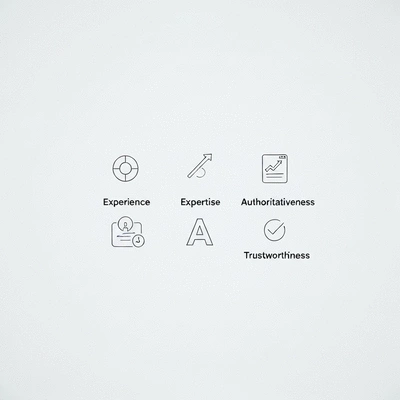
Understanding these elements allows us to create content that resonates with both readers and search engines. By ensuring that our content is rooted in real experience, we build a solid foundation for trust.
The Significance of Each Element in Google's Guidelines
Google places a strong emphasis on these elements when evaluating content. Each component represents a building block for a robust SEO strategy:
- Experience shows that you know what you're talking about—think of it as a story from someone who's been there.
- Expertise reassures readers that your insights are well-informed and reliable.
- Authoritativeness establishes your website as a go-to source for information.
- Trustworthiness ensures that users feel safe consuming your content.
At Add Link Here, we focus on enhancing these attributes in our content creation, ensuring that we not only meet but exceed Google's quality standards.
How Google Evaluates E-E-A-T in Search Quality Evaluator Guidelines
Google's Search Quality Evaluator Guidelines provide a comprehensive framework for assessing E-E-A-T. Evaluators are trained to look for clear evidence of each element within the content they review. This includes:
- Author credentials and background information
- Links to reputable sources and citations
- User testimonials and reviews
- Content accuracy and relevancy
By following these guidelines, we can tailor our SEO strategies to align with what Google values most. This not only improves our rankings but also builds a loyal audience who trusts our expertise!
Interactive Poll: Your Take on E-E-A-T
How important do you believe E-E-A-T is for your SEO strategy? Share your thoughts below:
Frequently Asked Questions About E-E-A-T
What does E-E-A-T stand for?
E-E-A-T stands for Experience, Expertise, Authoritativeness, and Trustworthiness. These are critical factors Google uses to evaluate content quality and relevance.
Why is E-E-A-T important for SEO?
E-E-A-T is crucial for SEO because it helps search engines determine the quality, reliability, and credibility of your content, directly influencing your website's ranking and visibility in search results.
How can I demonstrate "Experience" in my content?
You can demonstrate experience by including firsthand accounts, personal insights, case studies, and user testimonials that show practical knowledge of the subject matter.
What makes a website "Authoritative" according to E-E-A-T?
A website becomes authoritative by being recognized as a go-to source within its niche. This can be achieved through reputable backlinks, mentions from other authoritative sites, and consistent creation of high-quality, insightful content.
How does "Trustworthiness" impact my SEO?
Trustworthiness builds user confidence and signals to search engines that your site is reliable and safe. This includes transparent practices, accurate information, secure data handling (like HTTPS), and clear privacy policies.
Where can I find more detailed information about Google's E-E-A-T guidelines?
You can find more detailed information in Google's Search Quality Evaluator Guidelines, which outline how evaluators assess E-E-A-T and overall content quality.
Summarizing the Key Takeaways on E-E-A-T's Role in SEO
Understanding the E-E-A-T framework—Experience, Expertise, Authoritativeness, and Trustworthiness—is essential for anyone involved in digital marketing. As we strive to create ethical SEO strategies, it's clear that prioritizing these elements can significantly influence how your website is perceived by both users and search engines. By embedding E-E-A-T in your content practices, you can foster a trustworthy online environment that encourages engagement and loyalty.
Incorporating E-E-A-T effectively not only improves your website's reputation but also enhances its ranking potential on search engines. As I often remind my clients at Add Link Here, focusing on quality over quantity in your content can lead to sustainable growth in your online presence!
How E-E-A-T Shapes Ethical SEO Strategy
To create a robust SEO strategy, consider these pivotal aspects of E-E-A-T:
- Experience: Showcase real-life examples and personal insights that illustrate your knowledge.
- Expertise: Highlight credentials, certifications, and any relevant qualifications.
- Authoritativeness: Establish links from reputable sources that enhance your site's credibility.
- Trustworthiness: Maintain transparency in your practices, including privacy policies and user data handling.
By aligning your strategies with these focus areas, you can build a solid foundation that resonates with both your audience and search engines.
Next Steps: Implementing E-E-A-T for Sustainable Growth
Ready to implement E-E-A-T in your SEO practices? Start by auditing your current content and identifying areas for improvement. Here’s a simple action plan to follow:
- Evaluate your existing content for experience and expertise.
- Integrate author bios that reflect your team's qualifications.
- Include relevant citations and references to bolster your claims.
- Collect user feedback to enhance trust signals across your site.
Taking these steps can lead to measurable improvements in both your rankings and user trust over time. At Add Link Here, we believe that a commitment to E-E-A-T is not just about meeting standards; it’s about establishing a long-lasting relationship with your audience.
Encouraging Ongoing Engagement and Learning
Join the Conversation on Ethical SEO Practices
I'm passionate about fostering a community where knowledge about ethical SEO practices can thrive. Join the conversation by sharing your experiences or insights on how E-E-A-T has transformed your approach to SEO. Let’s support each other in navigating the ever-evolving landscape of digital marketing!
Resources for Further Exploration of E-E-A-T Guidelines and SEO Best Practices
If you're eager to dive deeper into E-E-A-T and enhance your SEO expertise, here are some valuable resources:
- Google Search Quality Evaluator Guidelines
- Moz's Beginner's Guide to SEO
- Search Engine Journal's SEO Guide
- For further insights into establishing trust signals and reliability in digital content, consider exploring the W3C's Data on the Web Best Practices.
These resources provide practical insights that can help you stay ahead in the world of SEO. Remember, continuous learning is key to achieving sustainable growth in your digital endeavors!
Recap of Key Points
Here is a quick recap of the important points discussed in the article:
- Experience: Highlight firsthand experience to connect with your audience.
- Expertise: Showcase your knowledge and qualifications to build credibility.
- Authoritativeness: Establish your site as a reliable source by linking to reputable content.
- Trustworthiness: Maintain transparency and ethical practices to foster user trust.
- Google Guidelines: Align your content with Google's E-E-A-T criteria for better rankings.
- Continuous Improvement: Regularly audit and enhance your content to stay relevant and trustworthy.